When Does the Bible Say Life Begins? A Direct Answer
When does life begin? According to the Bible, the answer is not complicated — though people work hard to make it so.
The question matters because everything in the abortion debate turns on it. If life begins at conception, the unborn are persons bearing God’s image and the prohibition on murder applies to them. If life begins later — at viability, at birth, at first breath — the moral calculus changes. So the question is not academic. It is the question the entire debate rests on.
The Bible does not leave this unanswered. When does the Bible say life begins? It points consistently to the work of God in the womb from conception — not to a developmental threshold, not to a legal definition, not to the moment of first breath. What follows works through the key passages directly, including the one pro-choice advocates use most often to argue the Bible supports their position.
What the Bible Says About When Life Begins
Psalm 139:13-16
This is the passage most cited in this debate, and for good reason. David writes — “For you formed my inward parts; you knitted me together in my mother’s womb… Your eyes saw my unformed substance; in your book were written, every one of them, the days that were formed for me, when as yet there was none of them.”

What’s happening here is not poetry about a vague spiritual connection between God and humanity. David is describing himself — a specific person, known by God, with days already written — at the stage of being knitted together in the womb. The word translated “unformed substance” is the Hebrew golem — an as-yet-unshaped form. Even at that earliest stage, God saw him. Knew him. Had already written his days.
The continuity of personal identity from that unformed stage to the person writing the psalm is exactly what David is affirming. There is no gap in the timeline where personhood begins. It is continuous from the womb.
Jeremiah 1:5
“Before I formed you in the womb I knew you, and before you were born I consecrated you; I appointed you a prophet to the nations.”
God’s knowledge of Jeremiah as a specific person — not a potential person, not a developing biological organism, but a named prophet with a specific calling — predates his birth. The forming in the womb is not where the personhood begins in this passage. God’s knowledge precedes even that.
Luke 1:41-44
When Mary arrives at Elizabeth’s house, John the Baptist — still in Elizabeth’s womb — leaps at the sound of Mary’s voice. Elizabeth says he leaped “for joy.” The text assigns emotional response, personal recognition, and joy to an unborn child. Luke uses the same Greek word for that unborn child — brephos — that he uses two chapters later for the newborn Jesus in the manger. No distinction in personhood. Same word. Same category.
Genesis 25:21-23
Jacob and Esau struggle with each other in the womb. God tells Rebekah “two nations are in your womb, and two peoples from within you shall be divided.” Two distinct persons, two distinct destinies, two nations — while still unborn. The text does not wait until birth to assign them individual identity. That identity is already present and already significant.
Galatians 1:15
Paul writes that God “set me apart before I was born and called me by his grace.” The same pattern as Jeremiah. A calling, a setting apart, a specific purpose — all assigned before birth.
The pattern across these passages is consistent. The unborn are not pre-persons waiting to become human at some later developmental threshold. They are persons — known by God, assigned purpose, bearing continuous identity — from the earliest stage of existence in the womb.
The First Breath Argument — and Why It Fails
The most common biblical argument for a pro-choice position on when life begins goes like this: Genesis 2:7 says that Adam “became a living creature” when God breathed the breath of life into him. Therefore life begins at first breath — meaning the unborn are not yet living persons until they breathe outside the womb.
This argument has a fundamental problem. It takes a passage about the unique creation of the first human being and applies it to a situation it was never addressing.
Genesis 2:7 is describing a singular, unrepeatable event — God forming Adam from the dust of the ground and animating him. Adam did not come from a mother’s womb. He had no conception, no gestation, no development. The passage is not describing how human reproduction works or when personhood begins for naturally conceived human beings. It is describing the original creation of the species.

No one reads Genesis 2:7 and concludes that all humans are formed from dust and animated by a direct divine breath. That reading obviously applies only to Adam. Yet the same passage is being used to draw a universal conclusion about when life begins for all humans — which requires the passage to say something it was never designed to say.
Beyond that, the Bible elsewhere places life in the blood, not in the breath. Genesis 9:4-6, Leviticus 17:11, and Deuteronomy 12:23 all associate life with blood. Unborn children have their own blood circulating — a fact the ancient world could observe through miscarriage — from very early in development. Early Jewish interpreters used exactly this point to argue against abortion. The “life is in the blood” passages undercut the first breath argument from within Scripture itself.
What Science Confirms
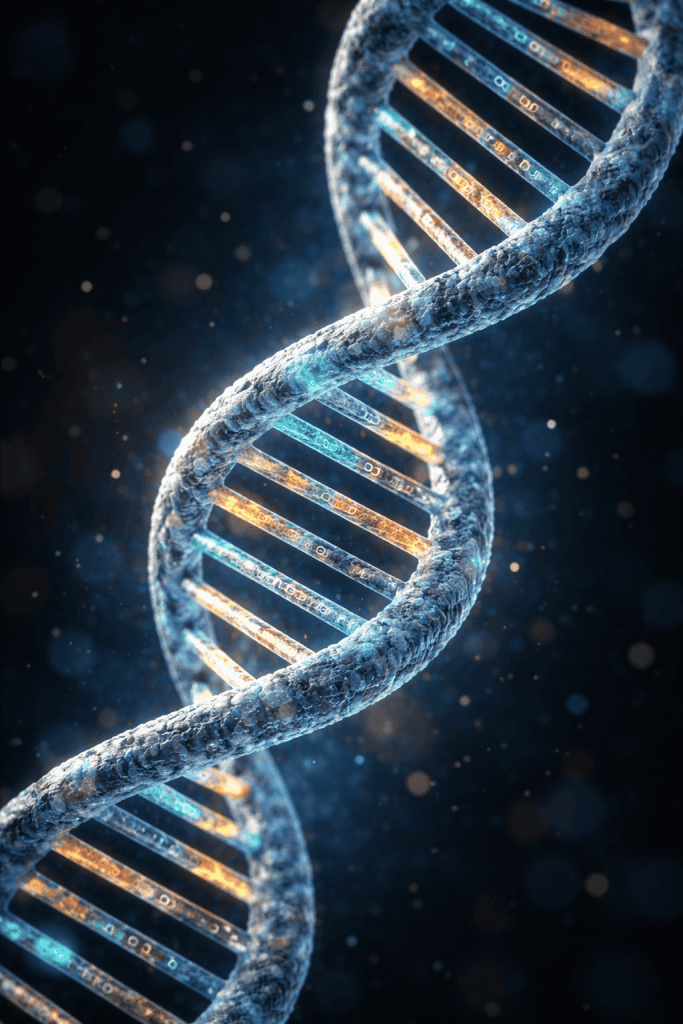
This is not primarily a scientific argument — Scripture is the authority here — but it is worth noting that modern biology confirms what the Bible implies.
At the moment of fertilization, a genetically distinct human organism comes into existence. It is not a potential human. It is a human, with its own unique DNA, its own developmental trajectory, its own sex, its own characteristics. Nothing new is added after conception except time and nutrition. Everything that makes that person who they will be is present from the first moment.
The viability argument — that personhood begins when a child could survive outside the womb — is not a biological threshold, it is a technological one. It changes as medical technology improves. A definition of personhood that shifts with the capabilities of a neonatal intensive care unit is not a definition grounded in the nature of the person. It is a moving target.
The first breath argument, the viability argument, and the “it’s just a clump of cells” argument all share the same problem: they assign personhood based on location, developmental stage, or technological capability rather than on the nature of the being itself. The Bible assigns personhood based on God’s knowledge and creative work — which begins before birth and before any developmental threshold a human court could set.
Why the Answer Has Always Been Clear
The early church had no confusion about this question. The Didache — written within a generation of the apostles — says plainly: “You shall not murder a child by abortion nor kill that which is born.” No developmental threshold. No first breath exception. The same prohibition covering both.
This was not a controversial position in early Christianity. It was the obvious application of what Scripture taught about the unborn. The controversy is modern. The biblical position is not.
When does life begin? The Bible’s answer is that it begins when God begins his work of forming a person in the womb — which Scripture consistently places at the earliest stage of existence, not at some later threshold defined by biology, law, or technology.
That is where the line is. It has always been there.
Keep Reading in This Series
- What Does the Bible Say About Abortion? A Direct Answer to a Hard Question
- Child Sacrifice in the Bible: What Ba’al Worship Really Involved

Walt Roderick is a Christian writer who cares more about biblical clarity than online applause. He writes to strengthen believers and confront spiritual drift.