Elijah vs Baal: The Showdown on Mount Carmel That Settled the Question
There is a moment in 1 Kings 18 that does not get enough credit for how audacious it actually was.
One man. Four hundred and fifty prophets on the other side. Three and a half years of drought behind them. The entire nation of Israel watching. And Elijah sets up the contest, lets the other side go first, then stands there and mocks them while they bleed.
That’s not bravado. That’s a man who knows exactly who he’s dealing with on both sides of the altar. The confrontation known as Elijah vs Baal is the hinge point of Israel’s spiritual history under Ahab.
The showdown between Elijah and the prophets of Baal on Mount Carmel is one of the most dramatic confrontations in the entire Bible. But it’s more than a dramatic story. It’s a theological statement — about who God is, what false gods actually are, and what it costs to stand alone when the whole culture has gone the other direction.
Elijah vs Baal: How It Got to This Point
To understand what happened on Mount Carmel, you have to understand what Israel had become by the time of King Ahab.
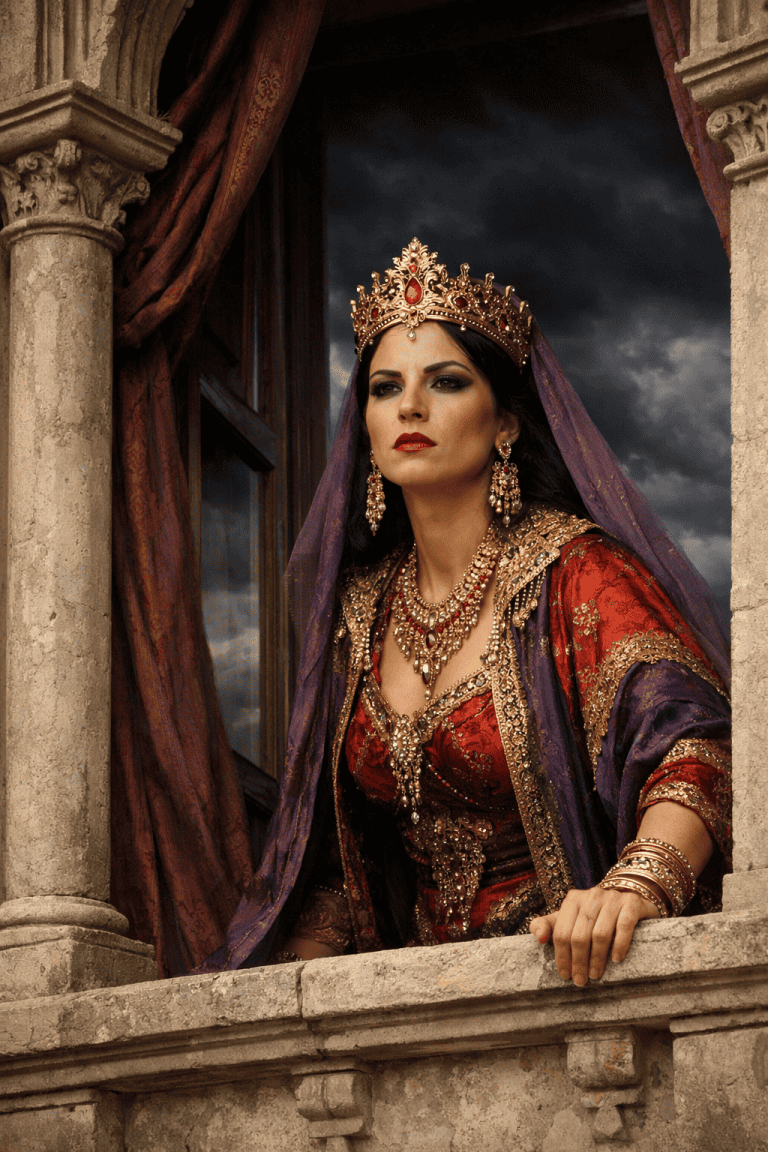
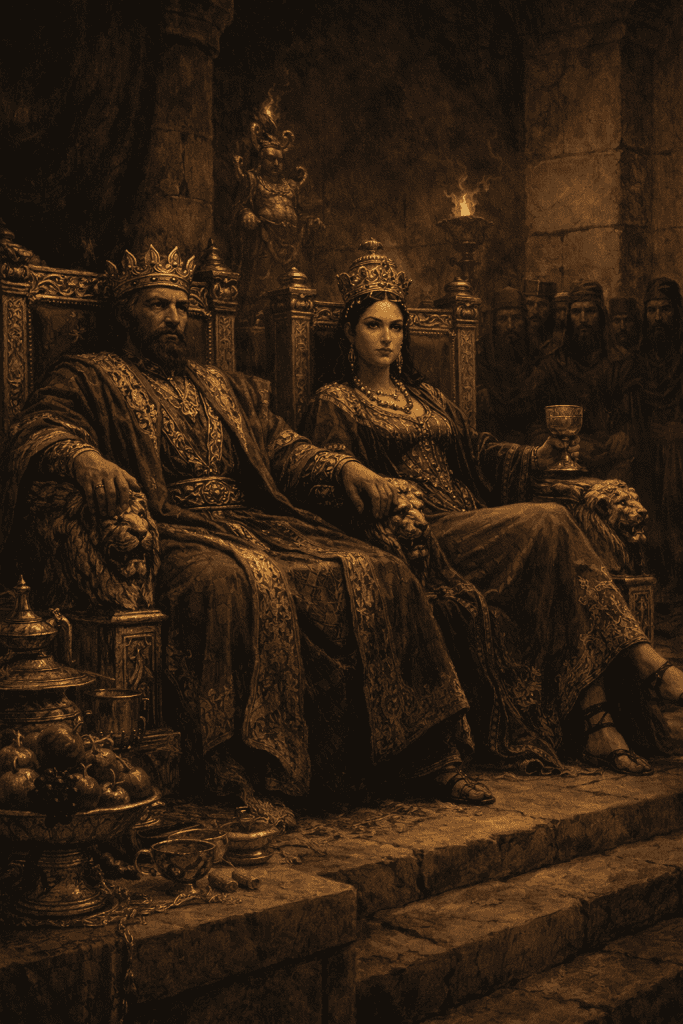
Ahab wasn’t just a bad king who let idol worship happen on his watch. He married Jezebel, the daughter of the king of Sidon, and imported the full infrastructure of Baal worship into Israel. State-funded priests. A temple for Baal in Samaria. Four hundred and fifty prophets of Baal and four hundred prophets of Asherah eating at the royal table.
He didn’t just tolerate the cult of Baal. He made it the national religion.
And the people went along with it. Not because they stopped believing in God entirely — most of them still believed in Yahweh. They just figured they could have both. Yahweh for the covenant, Baal for the rain. God for the spiritual side of life, Baal for the practical side.
That’s the world Elijah walked back into when God told him it was time to show himself to Ahab.
“You Troubler of Israel”
When Ahab saw Elijah coming, his first words were an accusation: “Is it you, you troubler of Israel?”
Elijah didn’t flinch. “I have not troubled Israel. You have — you and your father’s house, because you abandoned the commands of the Lord and followed the Baals.”
That’s the setup for everything that follows. Elijah wasn’t the problem. The drought wasn’t punishment for his presence. The nation was suffering the consequences of its own choices, and Elijah was the only man willing to say it out loud to the king’s face.
He then told Ahab to gather all Israel at Mount Carmel — along with all 450 prophets of Baal. Ahab did it. Which tells you something about the moment. Even Ahab knew something had to give.
The Terms of the Contest
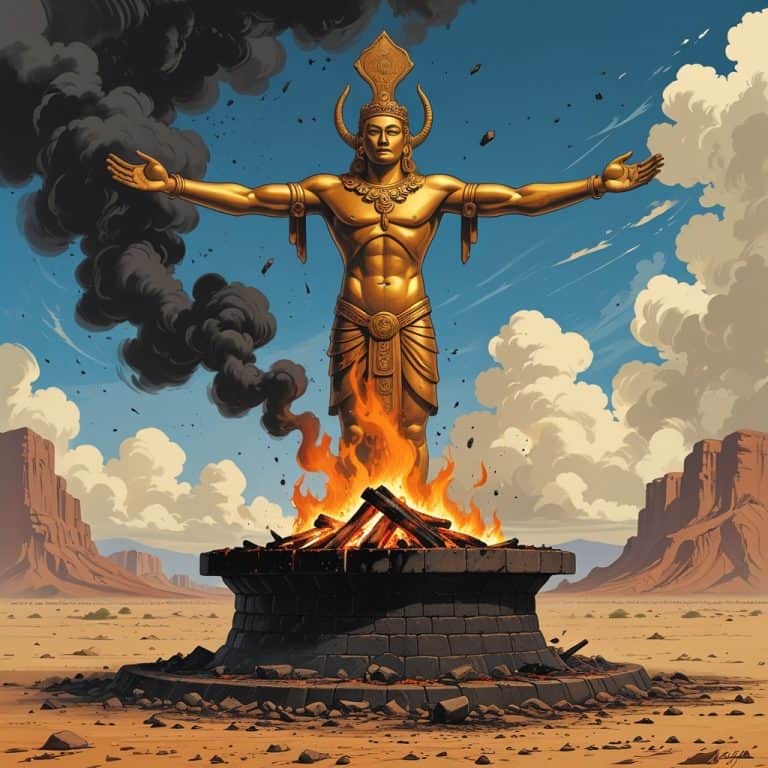
Elijah laid it out simply. Two bulls. Two altars. Each side prepares their sacrifice and calls on their god. No fire gets lit by human hands. Whichever god answers with fire — that’s the real God.
Then he said something to the people that cuts straight through all the theological fog:
“How long will you waver between two opinions? If the Lord is God, follow Him. If Baal is God, follow him.”
The Hebrew word translated “waver” here means to limp — to hobble back and forth. These people weren’t atheists. They weren’t even committed Baal worshipers. They were trying to have it both ways, and Elijah looked them in the eye and told them it was over. Pick a side.
They said nothing.
Four Hundred and Fifty Against One
Elijah let the prophets of Baal go first. Think about what that move communicated. He wasn’t worried about going second. He wasn’t saving himself an advantage. He gave them every opportunity to prove their god was real — more hours, more prophets, the first crack at the altar.
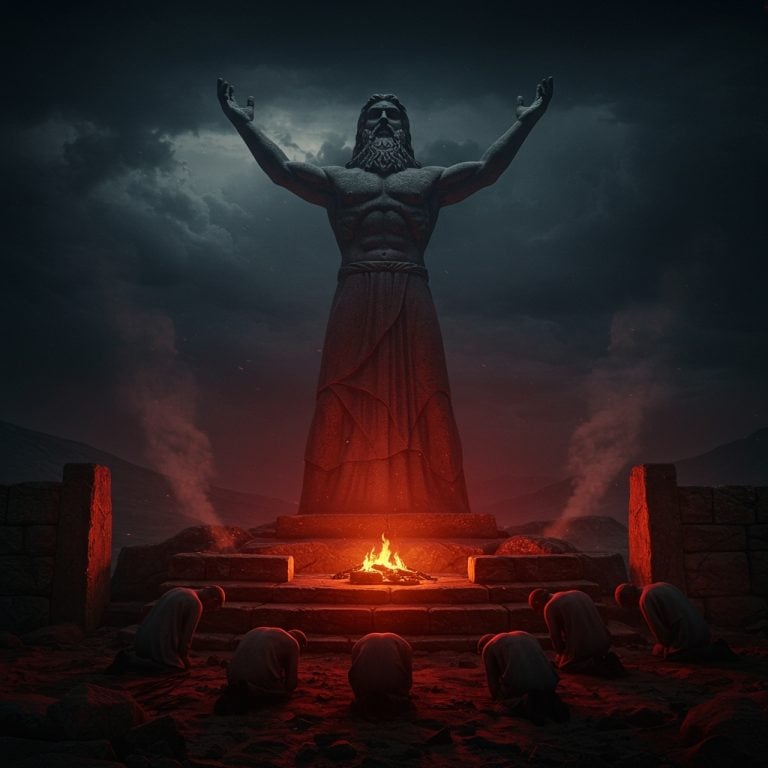
They took it seriously. They called on Baal from morning until noon. They danced around the altar. Nothing.
Then Elijah started in on them.
“Shout louder! Surely he is a god. Maybe he is deep in thought. Or busy. Or traveling. Maybe he is sleeping and needs to be woken up.”
That’s sarcasm written into Scripture. Elijah was publicly mocking the entire religious system that had ruled Israel for years. He wasn’t being diplomatic. He was making a theological point with a sharp edge: a god who can’t hear isn’t a god. A god who doesn’t answer isn’t there.
They responded by shouting louder, cutting themselves with swords and lances until the blood ran. They went at it all afternoon. Still nothing. The text puts it with brutal economy: “There was no voice. No one answered. No one paid attention.”
Elijah’s Turn
When it was Elijah’s turn, he did something that should have made everyone watching nervous.
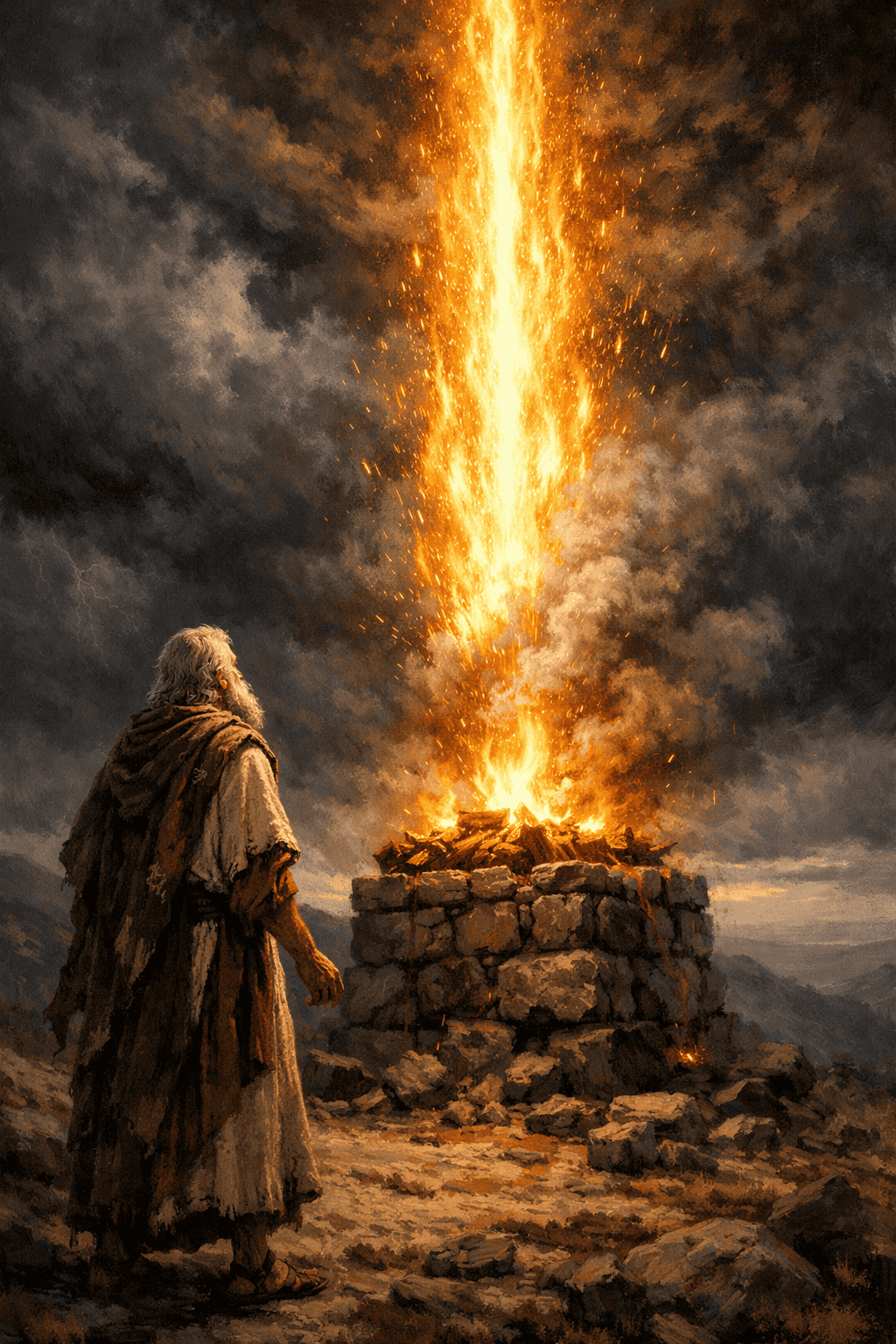
He drenched the altar with water. Twelve jars of it — three passes of four jars each. The wood was soaked. The sacrifice was soaked. The trench around the altar was full. Whatever was about to happen, there would be no explaining it away as an accident or a trick.
Then he prayed. Not loud, not frenzied, not long.
“Lord, the God of Abraham, Isaac and Israel, let it be known today that you are God in Israel and that I am your servant and have done all these things at your command. Answer me, Lord, answer me, so these people will know that you, Lord, are God, and that you are turning their hearts back again.”
That’s it. One prayer. No theatrics. No blood. No hours of ceremony.
The fire of the Lord fell. It consumed the sacrifice, the wood, the stones, the soil, and every drop of water in the trench.
The people fell on their faces. “The Lord, He is God. The Lord, He is God.”
What Happened After the Fire
Two things happened immediately after the fire fell that don’t always get the attention they deserve.
First, Elijah ordered the execution of the 450 prophets of Baal. This was not a moment of vengeance — it was the application of the law God had given Israel in Deuteronomy 13. False prophets who led Israel after other gods were to be put to death. Elijah was not acting on his own. He was applying covenant law at the moment of covenant renewal.
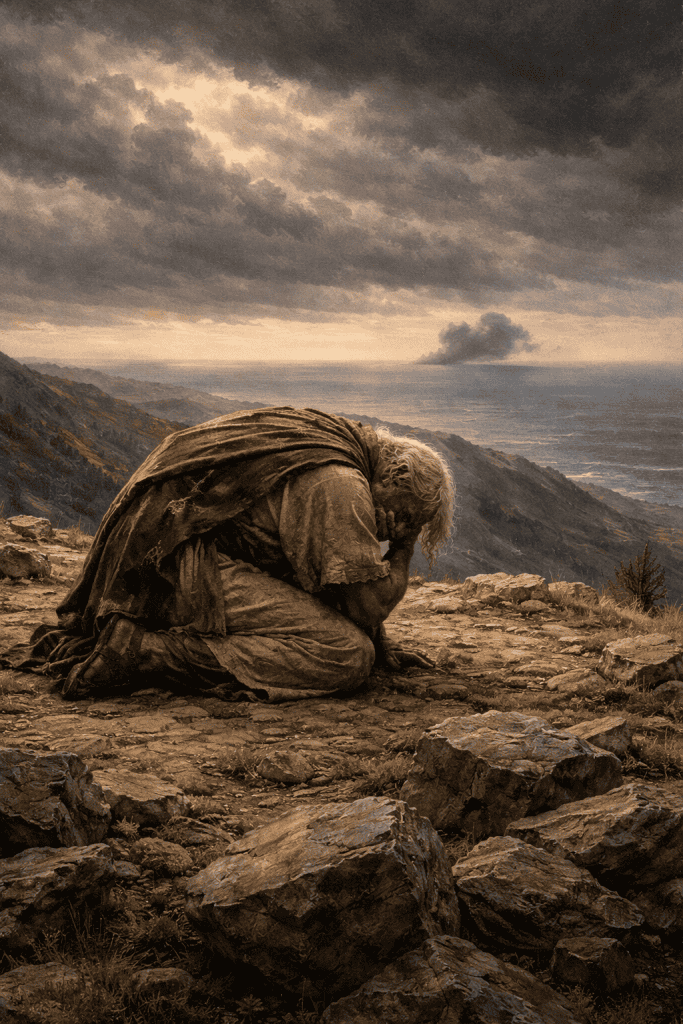
Second, the drought ended. Elijah climbed back to the top of Carmel, sent his servant to look toward the sea seven times, and on the seventh pass the servant reported a small cloud on the horizon — the size of a man’s hand. By the time Ahab’s chariot reached Jezreel, the sky had opened.
God didn’t just prove He was real. He then immediately did the very thing Baal had been credited with for centuries. He sent the rain.
What Elijah Did the Next Day
Here is something most people miss when they tell this story.
The day after the greatest prophetic miracle in Israel’s history, Elijah was running for his life.
Jezebel sent him a message: by this time tomorrow, you’ll be dead like one of those prophets. And Elijah, the man who had just stood alone against 450 men and called fire from heaven — ran. Went into the wilderness. Sat under a broom tree and asked God to let him die.
“I have had enough, Lord. Take my life.”
That’s in the Bible. It doesn’t get softened. Elijah burned out hard and fast after Mount Carmel. The weight of standing alone, the adrenaline crash, the threat from Jezebel — it broke him for a moment.
God’s response is worth noting. He didn’t rebuke him. He fed him. Twice. And then told him the journey was too long and he needed the strength.
God was not done with Elijah. And He was not done with Israel.
Why This Confrontation Still Matters
The contest on Mount Carmel was not just a one-time miracle. It was a demonstration of something that doesn’t change.
Baal offered what people thought they needed — rain, fertility, prosperity — through rituals they could perform and control. Yahweh demanded something different: trust, covenant, patience, and exclusive loyalty. The people kept choosing Baal because the offer was easier. You could stay in control. You could hedge your bets. You could keep a foot on both altars.
Elijah’s question on Mount Carmel is still being asked. How long will you limp between two opinions?
The modern version of this isn’t usually a bronze statue or a hilltop shrine. It’s the slow drift toward trusting systems, success, comfort, or cultural approval more than God. It’s the refusal to commit all the way when committing all the way costs something. It’s the church that softens the message to hold the crowd, the believer who keeps one foot in the world because full obedience feels too expensive.
The fire on Mount Carmel answered the question Elijah asked. The answer hasn’t changed.
Keep Reading in This Series
- What Is Ba’al Worship? A Biblical and Historical Overview
- The Cult of Baal: What It Was, What It Did, and Why It Matters Now
- Why Did Israel Worship Baal Again and Again?

Walt Roderick is a Christian writer who cares more about biblical clarity than online applause. He writes to strengthen believers and confront spiritual drift.