What Does the Bible Say About Abortion? A Direct Answer to a Hard Question
The Bible does not use the word abortion. That fact gets cited constantly by people who want to argue that Scripture has nothing to say on the subject.
It is a bad argument, and here’s why. The Bible also does not use the words Trinity, homosexuality, or pornography — yet no serious biblical scholar concludes that Scripture is silent on those subjects. What matters is not whether a word appears but whether the reality behind the word is addressed. And on the reality behind abortion — the nature of unborn life, the prohibition on killing the innocent, and God’s intimate knowledge of the person in the womb — Scripture speaks with consistent clarity.
That said, the earliest Christian document outside the New Testament — the Didache, written within a generation of the apostles — addresses it directly. “You shall not murder a child by abortion nor kill that which is born.” The people closest to the apostles and to Scripture had no doubt where the biblical principles landed.
This post works through what the Bible actually says. It will not avoid the hard passages. The one passage that pro-choice advocates use most aggressively from Scripture — Exodus 21:22-25 — gets a direct answer here, because a treatment that skips it is not a serious treatment.
What the Bible Says About Life in the Womb
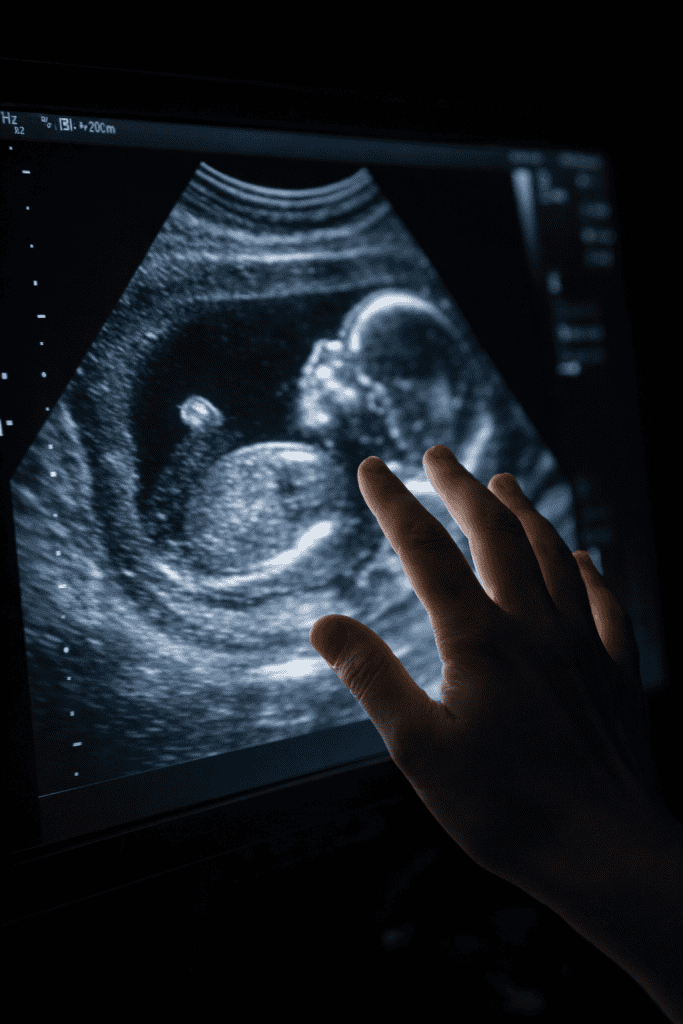
The starting point is what the Bible says about the unborn. If the unborn are human persons made in the image of God, the prohibition on murder applies to them. Scripture speaks to this directly.
Psalm 139:13-16 — “For you formed my inward parts; you knitted me together in my mother’s womb. I praise you, for I am fearfully and wonderfully made… Your eyes saw my unformed substance; in your book were written, every one of them, the days that were formed for me, when as yet there was none of them.”
David is not describing a potential person or a developing cluster of cells. He is describing himself — a person God knew, formed, and had already written days for — while still in the womb. The continuity of personal identity from conception through birth and beyond is the whole point of the passage.
Jeremiah 1:5 — “Before I formed you in the womb I knew you, and before you were born I consecrated you; I appointed you a prophet to the nations.” God’s knowledge of Jeremiah as a specific person — known, consecrated, appointed — predates his birth. The personhood is not assigned at birth. It precedes it.
Luke 1:41-44 — When Mary, pregnant with Jesus, greets her cousin Elizabeth, the baby leaps in the womb. What’s worth noting is the word Luke uses for that unborn child. It’s the same word he uses two chapters later to describe the newborn Jesus lying in the manger. Luke didn’t use a different word for the unborn child and the born child. Same word. The personhood is continuous.
Matthew 1:20 — The angel tells Joseph that “the child who has been conceived in her is of the Holy Spirit.” Not a developing potential child. A child. At conception.
The biblical picture is consistent. The unborn are persons, known by God, bearing his image, with continuity of identity from conception forward.
What the Bible Says About Killing the Innocent
Once the personhood of the unborn is established from Scripture, the relevant prohibitions follow directly.
Exodus 20:13 — “You shall not murder.” If the unborn are persons, this applies to them. The argument is not complicated. The debate is almost entirely about the first premise — whether the unborn are persons — not about whether murder is wrong.
Proverbs 6:16-17 lists things the Lord hates, including “hands that shed innocent blood.” The unborn child has done nothing. There is no more innocent blood than that.
Genesis 9:6 — “Whoever sheds the blood of man, by man shall his blood be shed, for God made man in his image.” The sanctity of human life is rooted directly in the image of God. Whatever bears that image bears that protection. The unborn bear that image from conception.
The Hard Passage — Exodus 21:22-25
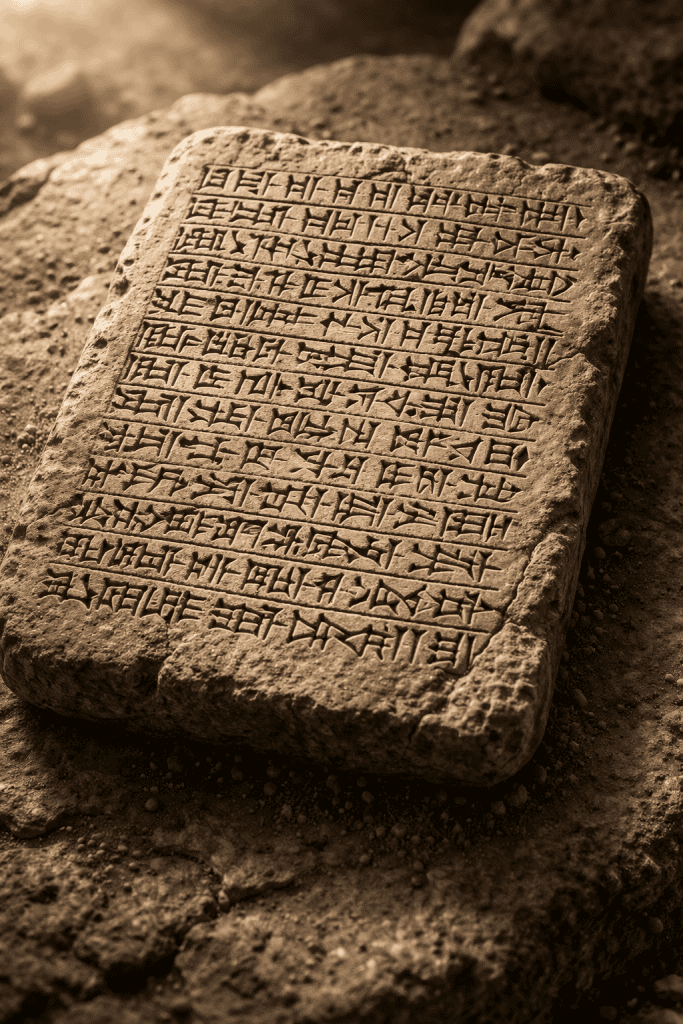
This is the passage pro-choice advocates lean on most heavily from Scripture, and it deserves a straight answer.
Exodus 21:22-25 — “When men strive together and hit a pregnant woman, so that her children come out, but there is no harm, the one who hit her shall surely be fined… But if there is harm, then you shall pay life for life, eye for eye, tooth for tooth…”
The argument goes like this: a miscarriage caused by violence only brings a fine, while the death of the mother brings the death penalty — so the unborn must be property, not a person.
There are two serious problems with that reading.
First, the Hebrew word translated “come out” is the ordinary word for birth — not miscarriage. Many Hebrew scholars understand this passage as describing a premature birth where the child survives. If there is no harm — to either the mother or the child — a fine is imposed for the disruption. If there is harm to either party, the full life-for-life standard applies. Read that way, the passage actually protects the unborn under the same legal standard as the born.
Second, even if the passage describes a miscarriage, it still assigns specific legal penalty for the harm caused. That is a recognition of wrong. It is not the same as saying the fetus has no more standing than a piece of property.
The pro-choice reading forces a modern distinction between persons and non-persons onto a text that does not make that distinction. The passage does not support the conclusion drawn from it.
What the Bible Says About Child Sacrifice
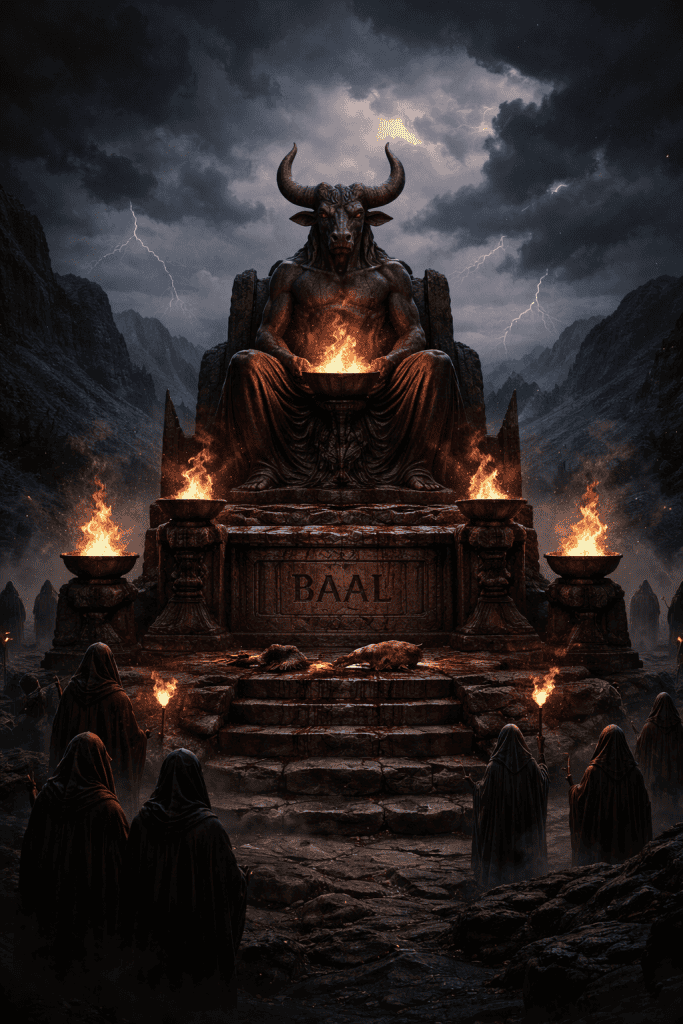
One of the strongest biblical statements on the value of infant life is the one that gets connected least often to this debate — the condemnation of child sacrifice to Baal and Molech.
Jeremiah 19:5 — “They built the high places of Baal to burn their sons in the fire as burnt offerings to Baal, which I did not command or decree, nor did it come into my mind.”
Psalm 106:37-38 — “They sacrificed their sons and their daughters to the demons; they poured out innocent blood, the blood of their sons and daughters, whom they sacrificed to the idols of Canaan.”
God’s response to child sacrifice in the Old Testament was not mild disapproval. It was brokenhearted fury followed by judgment. The children offered to Baal were described as innocent blood — a category that demands protection, not disposal.
In both cases — ancient child sacrifice and modern abortion — a child’s life is ended for the benefit of the adult making the decision. The ancient world offered children to Baal for prosperity and security. The rationale today is different in form. The structure is the same. And God’s response to the shedding of innocent blood has not changed.
What Does the Bible Say About Abortion: Three Objections Worth Answering Directly
Rape and incest. The circumstances of conception do not determine the humanity of the child. A child conceived in violence bears the same image of God as any other child. The horror of rape is real. The trauma is real. But the child is not the perpetrator. Executing the child for the crime of the father is not justice — it is adding a second injustice to the first.
The life of the mother. Genuine medical emergencies where the mother’s life is at risk are extraordinarily rare and are handled differently in law and conscience than elective abortion. Treating a life-threatening emergency is not the same moral category as ending a pregnancy for convenience, economics, or preference. Conflating the two obscures both.
The Bible doesn’t directly condemn abortion. It also doesn’t directly mention methamphetamine, nuclear weapons, or internet pornography — none of which existed when it was written. What Scripture does is establish principles that apply to the question: the personhood of the unborn, the prohibition on murder, the sanctity of innocent blood, God’s intimate knowledge of the person in the womb. Those principles reach abortion directly. The word doesn’t need to appear for the verdict to be clear.
What This Means Plainly
The Bible does not need to use the word abortion to be clear about abortion.
It establishes that the unborn are persons, known by God, formed by him, bearing his image. It prohibits the shedding of innocent blood. It describes the killing of children as something that never entered God’s mind to command — and judged nations that did it.
That is not silence. That is a verdict.
The question is not whether the Bible addresses this. It does. The question is whether we are willing to follow where it leads.
Keep Reading in This Series
- Child Sacrifice in the Bible: What Ba’al Worship Really Involved
- When Does Life Begin? What the Bible Says

Walt Roderick is a Christian writer who cares more about biblical clarity than online applause. He writes to strengthen believers and confront spiritual drift.