
Is Retirement Biblical? What Scripture Really Says About Growing Old
Somewhere beneath the question, “Is retirement biblical?” sits a deeper question many people are really asking: Does my life still matter once my working years are behind me? Scripture does not give us a modern retirement plan or tell everyone to stop working at a certain age. What it does show us is how to think about purpose, declining strength, rest, and faithfulness as we grow older. Retirement from a job may be wise or necessary. Retirement from serving God is another matter entirely.
Is Retirement Biblical?
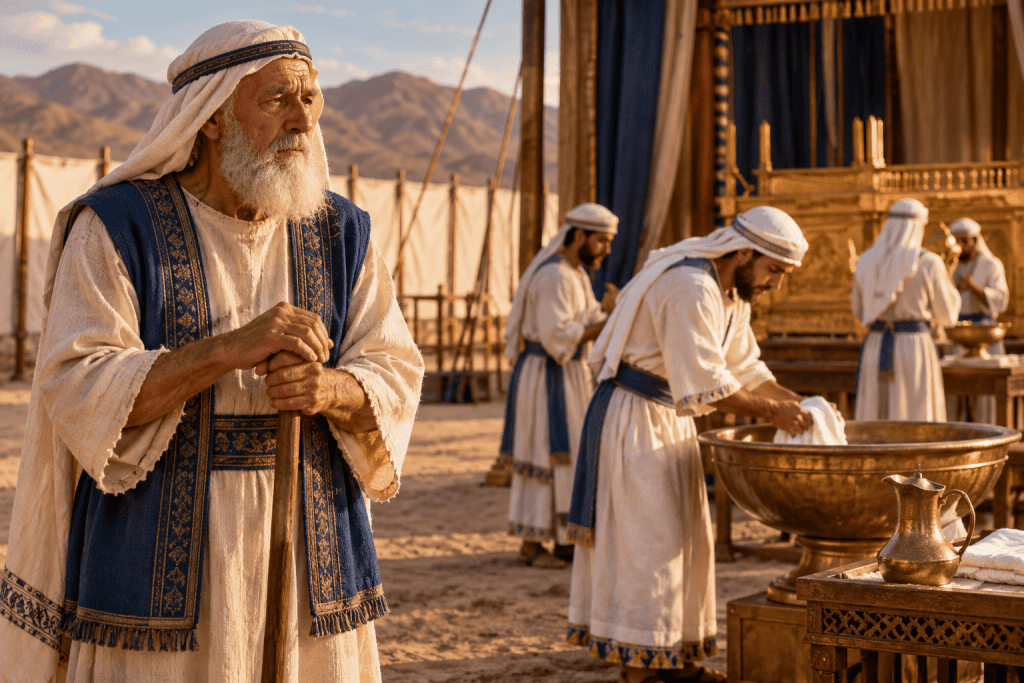
The Bible’s clearest age-based work transition appears in Numbers 8:23–26. When we ask what the Bible says about retirement, this is the closest Scripture comes to giving us an age-based transition from regular work. At fifty, a Levite’s assigned service ended, but Numbers 8 still allowed him to help the men who remained on regular duty. His responsibilities changed; he was not simply discarded. That gives us a useful picture of changing responsibility and staying focused on what God has actually called you to do, although we should be careful not to turn a command given specifically to the Levites into a universal retirement law for every Christian.
So, is retirement biblical in the sense that Scripture gives every believer a retirement age? No. Numbers 8 tells us what God required of the Levites. It does not give every Christian a retirement age of fifty. Is retirement biblical in the sense that a Christian may leave paid employment because of age, health, family responsibilities, or wise planning? Scripture does not forbid it. A job and Christian faithfulness are related, but they are not the same thing.
Work is good, and so is rest. A believer can step away from regular employment, spend more time with family, travel, garden, fish, or simply slow down without becoming unfaithful. The problem comes when retirement becomes a declaration that the rest of life belongs entirely to us rather than to the Christ who bought us.
What Does the Bible Say About Old Age?
Scripture treats old age as something to honor, not something to hide or dismiss. Leviticus 19:32 says, “You shall rise up before the gray-haired and honor the aged, and you shall fear your God; I am Yahweh” (LSB). Proverbs 16:31 calls gray hair “a crown of beauty” when it is found in the way of righteousness. The verse does not teach that age automatically produces wisdom or godliness. It honors the beauty of a long life that has been lived faithfully before God.
Scripture is also honest about what old age brings. Psalm 71 gives voice to exactly the fear that often sits behind retirement itself: “Do not cast me off in the time of old age; Do not forsake me when my strength fails” (Psalm 71:9, LSB). The psalmist names the fear honestly—failing strength and the fear that he may no longer matter. Yet his answer is not denial. He asks God to sustain him “until I declare Your strength to this generation, Your might to all who are to come” (Psalm 71:18, LSB). The strength changes. The purpose does not disappear.
What Is the Purpose of the Elderly According to Scripture?

Paul gives older believers a calling, not a quiet exit. Titus 2 instructs older men to be temperate, dignified, sensible, and sound in faith, love, and perseverance. Older women are to be reverent in their behavior, teaching what is good and helping younger women live faithfully. Paul does not give every older Christian the same assignment, but he clearly expects maturity to benefit the rest of the church.
That does not mean every older Christian needs to become a teacher or take on a formal ministry. Titus 2 does show that years of walking with Christ ought to benefit the people coming behind us. For one older Christian, that may mean teaching or discipling. For another, it may mean prayer, hospitality, encouragement, or simply being a steady example when younger believers are watching. Older believers remain part of the church Christ is building, and their usefulness is not limited to what they can still do physically.
Job acknowledges the ordinary expectation that wisdom should accompany age and understanding should grow with length of days. But his next words point beyond human age to God Himself: “With Him are wisdom and might; To Him belong counsel and discernment” (Job 12:13, LSB). Age can bring experience, but Scripture never treats old age by itself as a guarantee of wisdom.
Should Christians Stop Serving God as They Get Older?
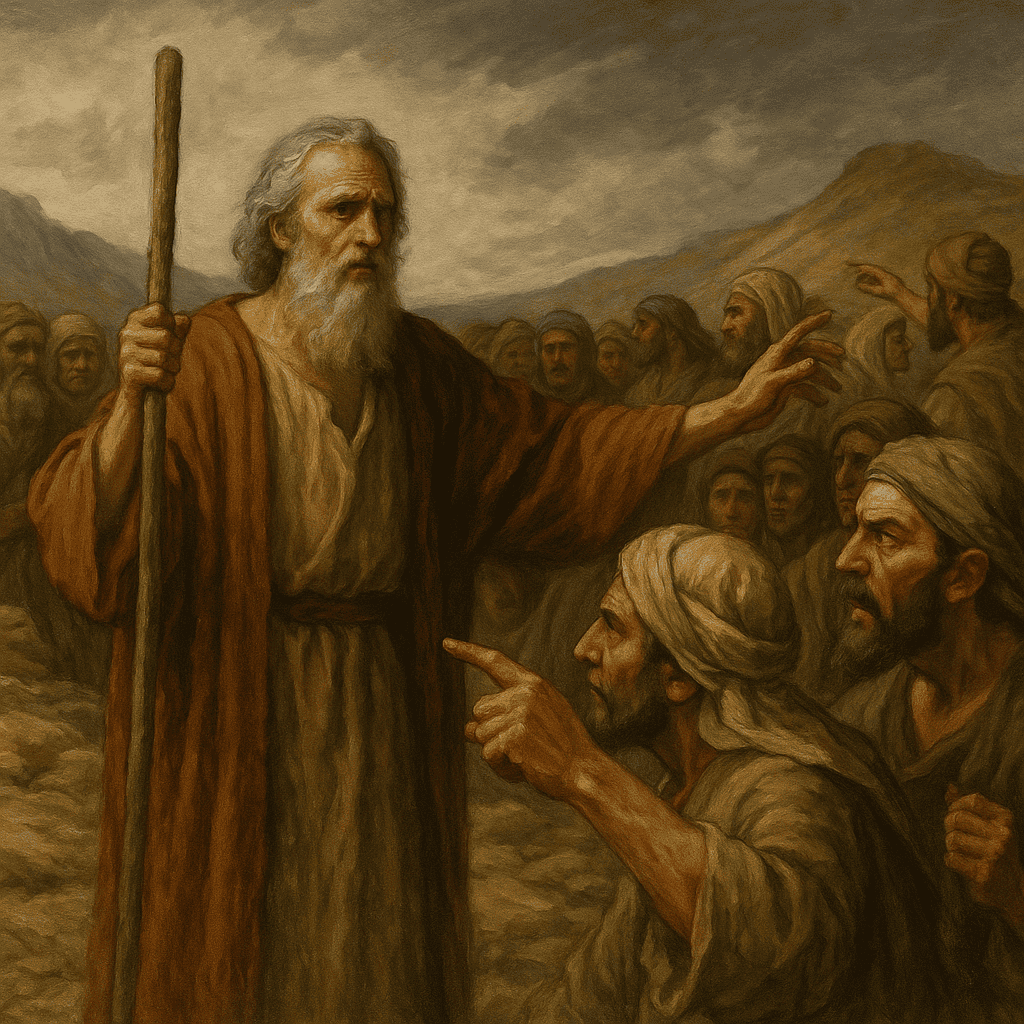
Three real figures in Scripture answer the deeper question with their lives, not just their words. At eighty-five, Caleb was not looking for an easy assignment. He asked Joshua for the promised hill country even though the Anakim still occupied fortified cities there. He said, “perhaps Yahweh will be with me, and I will dispossess them as Yahweh has spoken” (Joshua 14:12, LSB). Caleb still had unusual strength at eighty-five, but he was looking to Yahweh to give him the victory.
Barzillai was just as honest about what age had changed. At eighty, he told David that food and drink no longer gave him the same pleasure and that his hearing had declined. Rather than move to Jerusalem with the king, he wanted to spend his remaining days at home near his parents’ graves. He put Chimham forward to accompany David in his place. The passage does not explain all of Barzillai’s reasoning, but it shows an older man honestly recognizing his limitations while still looking beyond himself. Faithfulness at eighty did not require Barzillai to pretend he was still forty.
Does Serving God Mean You Should Never Stop Working?
Caleb and Barzillai keep us from making either activity or inactivity the measure of faithfulness. Serving God does not mean remaining on a payroll until death, and it does not mean replacing one full-time workload with another after retirement. Faithfulness means using whatever strength, time, wisdom, and opportunities God still gives you. That may still involve visible service, but it may also be as quiet as prayer, encouragement, counsel, or perseverance almost no one sees.
What If Age or Health Limits What You Can Do?
If your body will no longer let you do what you did twenty years ago, Scripture does not tell you to pretend otherwise. Moses was one hundred and twenty when he died, yet Deuteronomy 34:7 says that he still had clear eyesight and remarkable physical vigor. Moses was an exceptional case. His unusual strength shows God’s particular preservation of His servant, not what every faithful Christian should expect from old age.
Psalm 92 says that the righteous, planted in the house of Yahweh, “will still yield fruit in old age; They shall be rich and fresh” (Psalm 92:14, LSB). The image is primarily one of continued spiritual fruitfulness, not a promise that every believer will retain physical strength or escape the ordinary effects of aging.
When we ask, “Is retirement biblical?” the better question is not simply whether a Christian can stop collecting a paycheck. Scripture leaves retirement from paid employment to wisdom, circumstances, and faithful stewardship. But stopping work does not mean we stop belonging to Christ, loving His people, or bearing the fruit He gives us strength to bear. What faithfulness looks like may change as our strength changes.
FAQ
Is It a Sin for a Christian to Retire?
No. Scripture does not command Christians to remain in paid employment until death. Retirement may be wise because of age, health, family responsibilities, or other circumstances. The biblical issue is not whether a Christian stops collecting a paycheck, but whether he begins treating the rest of his life as though it no longer belongs to Christ.
Does Numbers 8 Teach That Christians Should Retire at Age 50?
No. Numbers 8:23–26 concerns the specific duties of the Levites at the tent of meeting. At fifty, they withdrew from their regular service but could still assist their brothers. The passage shows that responsibilities may change with age, but it does not establish fifty as a universal retirement age for Christians.
Does Serving God Mean Christians Should Never Stop Working?
No. Paid employment and Christian service are not the same thing. A Christian may leave a career and still serve God through prayer, encouragement, teaching, hospitality, discipleship, generosity, and other forms of faithfulness suited to his strength and circumstances.
What If Age or Poor Health Limits What I Can Do?
Scripture does not measure faithfulness by whether an older believer can still do what he did when he was younger. Caleb remained unusually strong at eighty-five, while Barzillai openly acknowledged his limitations at eighty. The form of service may change as strength declines, but reduced ability does not make a Christian spiritually useless.
Keep Reading

Walt Roderick is a Christian writer who cares more about biblical clarity than online applause. He writes to strengthen believers and confront spiritual drift.